Wifekivers Meaning: Viral Term Explained in Modern Relationships
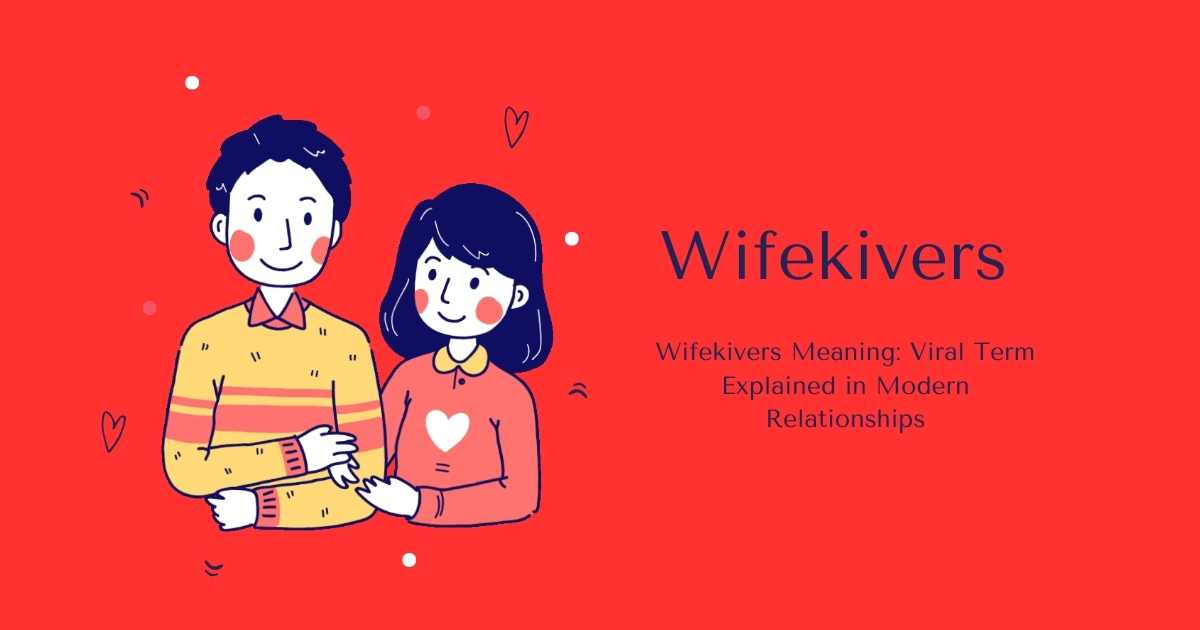
In today’s digital world, language is no longer shaped only by dictionaries or academic institutions. Instead, social media platforms play a powerful role in creating new words that capture emotions, behaviors, and cultural changes. These words often emerge suddenly, spread rapidly, and become part of everyday online conversations. One such term that has recently gained attention is Wifekivers.
At first, Wifekivers may seem like a confusing or meaningless word. However, its increasing presence on platforms such as TikTok, Instagram, Reddit, and X (formerly Twitter) suggests that it represents something people strongly relate to.
This article provides a fully original, and highly informative analysis of Wifekivers, explaining its meaning, usage, cultural significance, and what it reveals about modern relationship dynamics.
What Does Wifekivers Mean?
Wifekivers is an informal internet slang term used to describe a person who puts an exceptional amount of emotional care, effort, and attention into a relationship. Rather than referring to marital status, the term focuses on behavior. It highlights individuals who consistently nurture, support, and prioritize their partner’s emotional well-being.
A person described as a Wifekiver often:
- Takes emotional responsibility in the relationship
- Shows constant care and attentiveness
- Goes out of their way to maintain harmony
- Invests time and energy without being asked
The term is commonly used in a humorous or exaggerated way, but it is rooted in real emotional experiences that many people recognize.
Understanding the Structure of the Word Wifekivers
The appeal of the word comes from its creative construction rather than a strict definition.
| Word Element | Explanation |
|---|---|
| Wife | Symbolizes nurturing, care, and emotional responsibility |
| Kivers | A fictional suffix that adds uniqueness and memorability |
| Combined Meaning | A label for intense emotional giving in relationships |
Because “kivers” has no official meaning, the term remains flexible. This flexibility allows people to use Wifekivers in different situations, tones, and emotional contexts.
How Wifekivers Is Used in Online Culture
Wifekivers is highly adaptable and can be used sincerely, humorously, or sarcastically depending on context.
| Usage Style | Purpose | Example |
|---|---|---|
| Genuine appreciation | Acknowledging care | “She always supports me emotionally, real Wifekivers energy.” |
| Humor | Exaggeration | “I did everything again, I’m officially a Wifekiver.” |
| Playful teasing | Light criticism | “He canceled his plans again, Wifekivers behavior.” |
This versatility makes the term ideal for memes, captions, and short-form videos.
Origins of the Term Wifekivers
Like most viral slang, Wifekivers does not have a clearly documented origin. It likely emerged organically from online communities where relationship humor and personal storytelling are common. Early appearances were likely in TikTok skits, Reddit discussions, and meme captions.
Once the term started appearing repeatedly in relatable content, social media algorithms amplified it, allowing it to spread quickly beyond its original niche.
Why Did Wifekivers Become Popular?
Wifekivers gained popularity because it connects emotional reality with humor. Several factors contributed to its viral growth.
First, it is highly relatable. Many people see themselves or their partners reflected in the behaviors described by the term. Second, it aligns with modern conversations about emotional effort and care in relationships. Third, the word itself is short, catchy, and easy to reuse. Finally, relationship-based content performs well on platforms like TikTok and Instagram, helping the term reach a wider audience.
Wifekivers and Emotional Labor in Relationships
One of the most important aspects of Wifekivers is its connection to emotional labor. Emotional labor refers to the invisible work involved in maintaining emotional balance, such as listening, providing reassurance, managing conflict, and anticipating a partner’s needs.
Traditionally, this type of labor often went unrecognized. Wifekivers brings attention to these efforts by naming and exaggerating them. Sometimes it celebrates emotional generosity, and sometimes it highlights imbalance or burnout. This dual function makes the term both meaningful and socially relevant.
Wifekivers and Self-Awareness in Modern Relationships
While the term Wifekivers is often used humorously, it can also encourage self-reflection. Many people begin to recognize their own emotional patterns through this label. Constantly giving without setting boundaries may feel loving at first, but over time it can lead to emotional exhaustion or resentment. In this way, Wifekivers does not only describe devotion—it opens up conversations about balance, self-respect, and mutual effort. Healthy relationships require emotional care from both sides, not just one consistent giver.
Does Wifekivers Praise or Criticize Over-Giving?
Wifekivers can function in two ways at the same time.
From a positive perspective, it recognizes and validates emotional care, devotion, and support. From a critical perspective, it can point out situations where one person gives too much while receiving little in return. Because it can operate as both praise and commentary, the term avoids being one-dimensional.
How Wifekivers Compares to Other Relationship Slang
| Term | Focus |
|---|---|
| Situationship | Unclear romantic commitment |
| Emotional availability | Ability to connect emotionally |
| Soft launch | Gradual relationship reveal |
| Wifekivers | Emotional output and effort |
Unlike other terms that describe relationship status or visibility, Wifekivers focuses on what a person gives emotionally.
Will Wifekivers Last or Fade Away?
Like many internet slang terms, Wifekivers may eventually fade or evolve. However, the behavior it describes is timeless. Emotional care, imbalance, and effort in relationships will always exist. Even if the word disappears, the concept behind it will continue to reappear under new names.
FAQs About Wifekivers
What does Wifekivers mean in simple words?
It describes someone who puts a lot of emotional care and effort into a relationship.
Is Wifekivers a positive term?
Mostly yes, though it can also be used humorously or critically depending on context.
Is Wifekivers gender-specific?
No, it applies to anyone regardless of gender or marital status.
Is Wifekivers an official dictionary word?
No, it is informal internet slang.
Why is Wifekivers trending online?
Because people see it on social media and search for its meaning and cultural context.
Conclusion
Wifekivers is more than just a viral internet term. It reflects how modern relationships are experienced, discussed, and sometimes questioned in digital spaces. By combining humor with emotional truth, the term allows people to talk about care, effort, and imbalance in a way that feels relatable and safe.
As online culture continues to influence language, Wifekivers stands as a clear example of how new words emerge to express real human experiences—often more accurately than traditional vocabulary ever could.